Peter Diamandis Longevity Guidebook Review: Can You Live Forever Without Losing Your Mind (or Your Savings)?
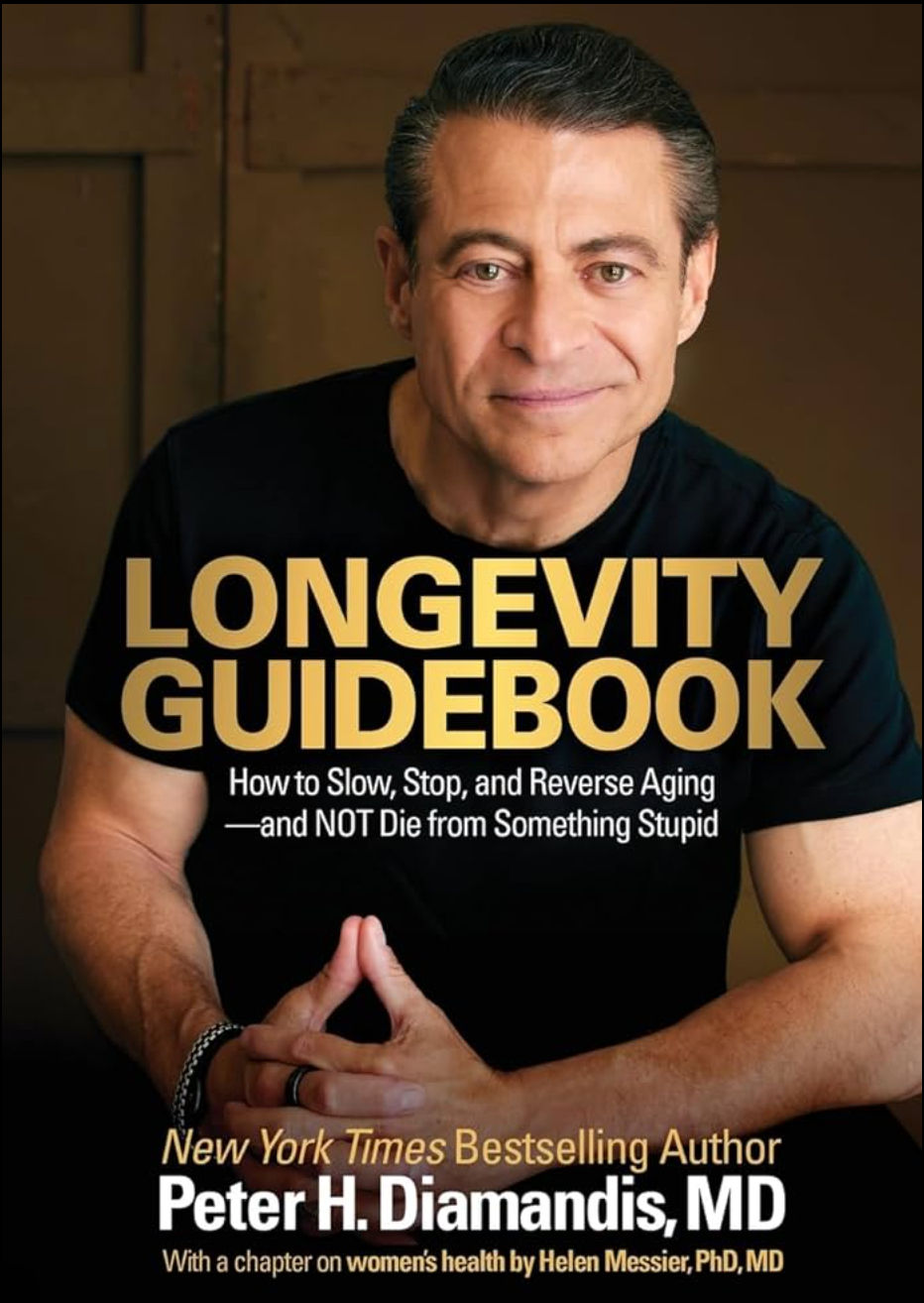
Here is the problem with most longevity advice: it assumes you are a billionaire with infinite time.
If you read the headlines, living past 100 seems to require a hyperbaric chamber in your bedroom, a personal team of blood-draw phlebotomists, and a supplement budget that rivals the GDP of a small island nation.
Enter Peter Diamandis and his Longevity Guidebook (officially titled Longevity: Your Practical Playbook). Diamandis is not just a doctor; he is a futurist, the founder of the XPRIZE, and a man who seemingly believes death is just a technical glitch waiting to be patched.
I read his guidebook so you don’t have to. Is it a roadmap to immortality? Yes, if you have the resources of a tech mogul. Is it practical for a 46-year-old executive juggling board meetings and school runs? Maybe.
In this Peter Diamandis Longevity Guidebook review, we are going to dissect the billionaire’s protocol, marvel at the sheer volume of pills he swallows, and then, most importantly, pivot to a practical strategy that you can actually execute between conference calls.
The Book: Optimism on Steroids
Peter Diamandis is the high priest of "Techno-Optimism." His writing style is infectious, confident, and relentless. He doesn’t just suggest that you might live longer; he insists that "Longevity Escape Velocity" (the point where science adds more than a year to your life for every year you survive) is just around the corner.
What the Book Covers
The Longevity Guidebook is essentially a download of Diamandis’s personal operating system. It covers:
Mindset: Why believing you will die at 80 is a self-fulfilling prophecy.
Diagnostics: Why your annual physical is useless and why you need full-body MRIs and genomic sequencing.
The "Techno" Stack: Stem cells, gene therapies, and future tech that sounds like sci-fi.
The Daily Grind: His diet, sleep, and the infamous supplement list.
The Positives
The Mindset Shift: Diamandis is right about one thing: stress and pessimism kill. His focus on a "Longevity Mindset" : believing you have a future worth living for; is genuinely powerful.
The Science is Real: He isn't making this up. He backs his claims with data on mTOR, AMPk, and sirtuins (the biological switches for aging).
Motivation: You will finish this book wanting to drop that donut immediately.
The Negatives (The "Real World" Check)
It is Elitist: Many recommended treatments (like whole-body MRI scans or stem cell banking) cost tens of thousands of dollars.
N=1 Problem: This is Peter’s protocol. He is one man with a specific genetic makeup. What works for him might do nothing for you - or worse, harm you.
The Time Cost: If you followed his routine perfectly, you would need a 26-hour day.
The Deep Dive: The "75 Supplements" & The Billionaire Morning
This is the part of the Peter Diamandis Longevity Guidebook review where most people’s jaws drop. Diamandis famously takes around 75 pills every single day.
To make this digestible, I have categorized his "stack" below. (Note: For the brave souls who want the full, itemized list, I have tucked it into the Appendix at the bottom of this post).
The Core Categories
The "Big Guns" (Prescription/Off-Label):
Rapamycin: The current darling of longevity. He cycles this to inhibit mTOR (simulating fasting).
Metformin: Typically for diabetes, used here for blood sugar regulation.
Modafinil: A heavy-duty nootropic for focus (he takes 100mg).
Mitochondrial Chargers:
NMN / NR: Boosters for NAD+, which is like fuel for your cells.
CoQ10 & PQQ: To keep the cellular power plants running.
The Structural Support:
Collagen peptides: For skin and joints.
Creatine Monohydrate: Not just for bodybuilders; it’s crucial for brain energy and muscle preservation.
The Morning Routine
If you think the pills are intense, look at the morning:
06:00 AM: Wake up, check Oura Ring sleep score.
Hydration: Water + electrolytes immediately.
Tech: 20 minutes of Red Light Therapy (while answering emails).
Movement: A heavy weight workout (30-40 mins).
Breakfast: A carefully constructed "sludge" of protein powder, collagen, and healthy fats. No sugar. Ever.
"Genetics loads the gun, but lifestyle pulls the trigger." Common Longevity Adage (and a core theme of the book).
The Verdict: A Real-World Peter Diamandis Longevity Guidebook Review
Let’s take a breath.
If you are a corporate executive, you do not have time to sit under a red light panel for 20 minutes while measuring your blood glucose and mixing a 15-ingredient protein shake.
If you try to copy Diamandis perfectly, you won’t die of aging; you’ll die of stress from trying to manage your schedule.
You need the 80/20 version. You need the strategies that give you 80% of the benefit for 20% of the effort.
My Practical Tips for a Longer, Healthier Life (For the Busy Professional)
Here is how a normal 46-year-old executive can actually apply these principles without quitting their job. I have ranked these in order of priority. If you only do one, do #1.
1. Sleep: The Non-Negotiable Foundation
Peter Diamandis and I agree here: Sleep is not a luxury; it is a performance drug.
The Goal: 7 to 8 hours of quality sleep.
The Protocol:
Dark room, cool temperature (18-20°C).
No screens 60 minutes before bed.
Can't sleep? Do not panic. Use NSDR (Non-Sleep Deep Rest) or Yoga Nidra. It is a guided relaxation technique that mimics deep sleep states. 20 minutes of NSDR can salvage a bad night.
Traveling? Eye mask and earplugs are your best friends. Prioritize sleep over the hotel gym.
2. Food: Muscles are Built in the Kitchen
You cannot out-train a bad diet. As we age, our metabolism becomes less forgiving.
Protein is King: Aim for high protein intake. It keeps you full and feeds your muscles.
Fiber is Queen: Vegetables, legumes, whole grains. This is for your gut microbiome.
Carbs (Minimum): You are not running a marathon every day. Keep carbs low unless you earned them with heavy exercise.
The Rule: If it comes in a box with a cartoon character on it, don't eat it.
3. Water: Don't Drink the Ocean
Hydration is trendy, but you don't need to carry a gallon jug into the boardroom.
Quantity: 1–2 liters per day, depending on your weather and activity. Listen to your thirst.
The Morning Flush: Drink 2–3 glasses of warm water immediately upon waking. It wakes up your digestive system and rehydrates you after 8 hours of dry breathing.
Sip, Don't Chug: Sip throughout the day to maintain focus.
4. Workouts: Lift Heavy Things
Cardio is good, but muscle is the organ of longevity. Muscle protects your bones and regulates your glucose.
Priority 1: Weights. Resistance training 3x a week. Compound movements (squats, pushups, rows).
Priority 2: Swimming. Zero impact, great for lungs and joints.
Priority 3: Cardio. A brisk walk or a light jog.
Bonus: Sports you love (Tennis? Badminton?). But play smart—getting injured at 45 takes months to heal.
5. Stress Management: Your Brain Needs a Break
Chronic stress is basically pouring cortisol (aging juice) all over your internal organs.
Mindfulness: You don't need to chant on a mountain. Just 5 minutes of observing your breath resets your nervous system.
NSDR (Again): I cannot stress this enough. If you are fried at 2 PM, do a 10-minute NSDR session (plenty of free ones on YouTube). It is better than caffeine.
6. Growth Mindset: The "Software" Upgrade
If you think your best years are behind you, your body will agree.
Read: 10 pages a day.
Learn: Pick up a new skill. It keeps neuroplasticity alive.
Curiosity: Stay curious about the world. It is the hallmark of the young.
7. My "Pragmatic" Supplement Stack
Diamandis takes 75; I take 6. These are the high-yield, low-maintenance supplements I personally use to keep the engine running smoothly. Always consult your doctor before starting.
Isolated Whey Protein: (Click here to purchase)
Why: Pure convenience. It hits my protein targets for muscle repair without the extra fats or carbs of a heavy meal.
Magnesium: (Click here to purchase)
Why: Most executives are deficient. It aids relaxation, improves sleep quality, and helps with muscle recovery.
Creatine Monohydrate: (Click here to purchase)
Why: Not just for bodybuilders. It supplies energy to the brain (clearing fog) and preserves lean muscle mass as you age.
NAC (N-Acetyl Cysteine): (Click here to purchase)
Why: A powerful antioxidant precursor (Glutathione). It supports liver health and helps the body handle oxidative stress from city life.
L-Taurine: (Click here to purchase)
Why: "Calm energy." It supports heart health and nervous system regulation, helping to smooth out the jitters of a stressful day.
Haldi (Turmeric) Extract: (Click here to purchase)
Why: Nature’s ibuprofen. Great for keeping systemic inflammation low and joints happy.
Conclusion
The Longevity Guidebook is a fascinating glimpse into the future of health. But remember: technology will not save you if your habits are destroying you. You don't need 75 pills to live a long, vibrant life. You need sleep, real food, heavy weights, and a mindset that refuses to rust.
Reflection Question: If you could only change one habit from the list above starting tomorrow morning, which one would give you the highest return on investment?
Happy Reading.
Simple Meditation Techniques to Reduce Stress
Sources & Further Reading
For those who want to dig deeper into the science or see similar perspectives, check out these posts:
Recommended Books
Longevity: Your Practical Playbook by Peter Diamandis The techno-optimist’s roadmap to the future of health, diagnostics, and age-reversal technologies. (Get your copy)
Why We Sleep by Matthew Walker The definitive look at why sleep is the single most effective performance enhancer you have available—and how to get more of it. (Get your copy)
Outlive: The Science and Art of Longevity by Peter Attia A tactical, medical deep-dive into the difference between simply living longer and living better (healthspan). (Get your copy)
How Not to Die by Dr. Michael Greger A massive, evidence-based guide on how nutrition can prevent and reverse the leading causes of premature death. (Get your copy)
How Not to Diet by Dr. Michael Greger The science of sustainable weight loss, stripping away fad diets to focus on what actually works biologically. (Get your copy)
Lifespan: Why We Age—and Why We Don't Have To by David Sinclair A fascinating look at the "Information Theory of Aging" and the genetic switches we might soon control. (Get your copy)
Atomic Habits by James Clear Because knowing what to do is easy; building the system to actually do it every day is the hard part. (Get your copy)
Appendix: The "Deep Dive" Supplement List
Note: Peter Diamandis famously takes ~75 pills a day. This list represents the core of his protocol based on his public writings and the Longevity Guidebook.
Disclaimer: I am not a doctor. This is for informational purposes only. Do not attempt this stack without medical supervision, especially the prescription items.
1. Mitochondrial & Cellular Energy
The engine room. These supplements aim to keep your cells producing energy (ATP) like they did when you were 20.
NMN (Nicotinamide Mononucleotide): Precursor to NAD+; fuels cellular energy and repair.
CoQ10 (Ubiquinol): Essential for mitochondrial function and heart health.
PQQ (Pyrroloquinoline Quinone): Promotes the growth of new mitochondria (biogenesis).
Alpha Lipoic Acid: Potent antioxidant that improves insulin sensitivity.
Taurine: Supports mitochondrial health and reduces cellular senescence.
Acetyl-L-Carnitine: Helps transport fatty acids into mitochondria to be burned for energy.
2. The "Anti-Aging" Heavy Hitters (Rx & Senolytics)
The controversial stuff. These are meant to kill "zombie cells" or mimic fasting.
Rapamycin (Prescription): The "gold standard" longevity drug; inhibits mTOR to mimic fasting/clean cells.
Metformin (Prescription): Regulates blood sugar and mimics caloric restriction.
Fisetin: A "senolytic" that helps clear out senescent (aging/zombie) cells.
Spermidine: Trigger autophagy (cellular cleanup/recycling).
Quercetin: Improves efficacy of senolytics and lowers inflammation.
Resveratrol: Activates sirtuins (longevity genes), though debate exists on efficacy.
3. Brain Health & Nootropics
Keeping the CEO's processor running fast.
Modafinil (Prescription): Wakefulness agent for intense focus (he takes 100mg).
Lion’s Mane Mushroom: Supports Nerve Growth Factor (NGF) and neuroplasticity.
Magnesium L-Threonate: The only form of magnesium that crosses the blood-brain barrier effectively.
Phosphatidylserine: Supports memory and brain cell membrane integrity.
Alpha-GPC: Increases acetylcholine, a neurotransmitter critical for learning and focus.
Omega-3 Fish Oil (High DHA): Structural component of the brain; reduces neuro-inflammation.
4. Inflammation, Joints & Structural Support
Because living to 100 is no fun if your knees hurt.
Curcumin (Turmeric Extract): Powerful anti-inflammatory.
Collagen Peptides: Building block for skin, hair, nails, and joints.
Glucosamine & Chondroitin: Supports cartilage health and joint lubrication.
Hyaluronic Acid: Helps skin moisture and joint lubrication.
SPM Active (Specialized Pro-resolving Mediators): "Resolves" inflammation rather than just blocking it.
Astaxanthin: Potent antioxidant that protects skin from UV damage.
5. Hormone Optimization
Maintaining youthful levels of key drivers.
Testosterone (TRT - Prescription): Muscle mass, drive, and vitality (medical supervision required).
DHEA: Precursor hormone that declines with age; supports immune and brain function.
Pregnenolone: The "grandmother" hormone from which many others are made; supports memory.
6. General Health & Gut Foundation
The boring but necessary basics.
Vitamin D3 + K2: Critical for bone health, immunity, and keeping calcium out of arteries.
Methylated B-Complex: Supports energy and proper DNA methylation (gene expression).
Probiotics (Spore-based): Supports microbiome diversity and gut barrier function.
Creatine Monohydrate: Vital for muscle strength and brain energy (not just for bodybuilders).
Zinc & Copper: Immune support and enzymatic function.
Athletic Greens (AG1): His "insurance policy" drink for micronutrients and gut health.


Comments